

Jansenism

Status
Not open for further replies.

Wilhelmus à Broccoli

Puritan Board Freshman
What is your view on the Jansenists, such as Blaise Pascal? Were they within the realm of orthodoxy? Why is it that they did not split from Rome and become Protestant? It is interesting that a separate person came to similar conclusions as Calvin from his study of Augustine.
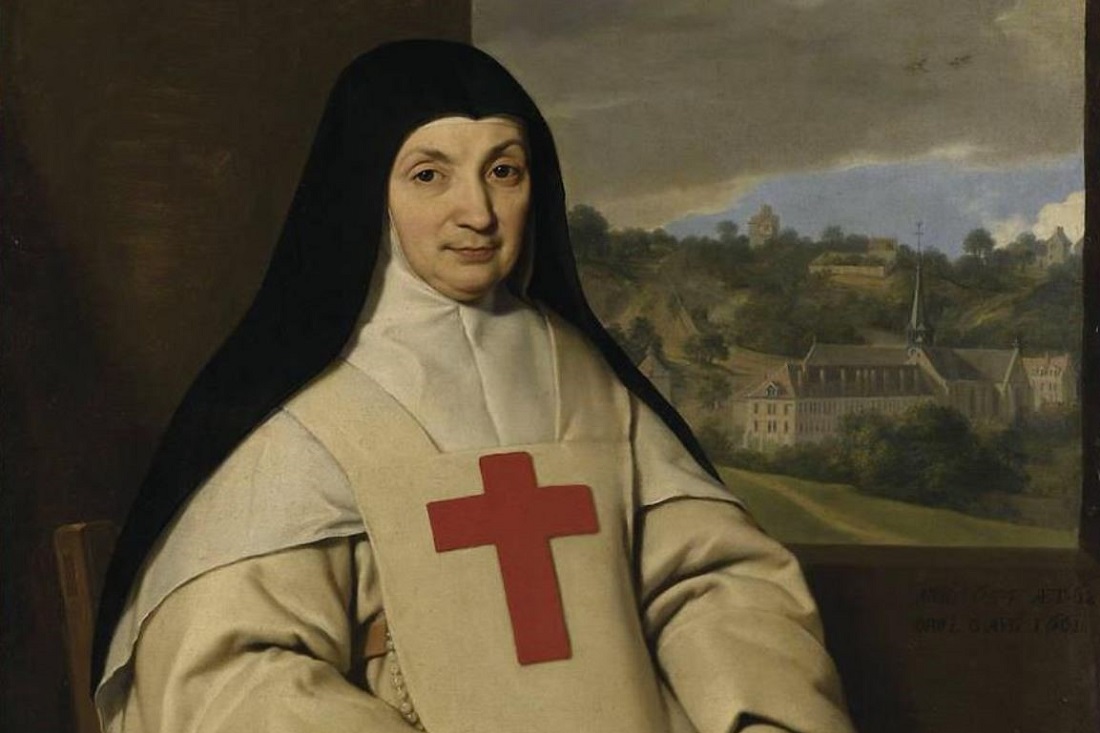
 
The Post Reformation Roman Catholic Church became increasingly influenced by the Jesuits and increasingly tolerant of a type of free-willism that became almost Semi-Pelagianism. The early Jansenists were a pietistic and Augustinian movement within the Church of Rome in the Netherlands and France who reacted against the Jesuits in general and free-willism in particular.
  • Jansenists, prior to there break with the Church of Rome were a school of thought within Catholicism, and were known for their strong emphasis on the power of grace and the limitations of human free will. They rejected the idea that human merit or good works played a significant role in salvation, as opposed to some interpretations of Catholic theology.
  • In the context of salvation, the Roman Catholic understanding of infused righteousness suggests that God's grace or righteousness is actively poured into believers, making them intrinsically more righteous. Imputed righteousness, as understood by Protestants emphasizes that God declares or credits believers as righteous based on Christ's perfect sacrifice, rather than a physical transfer of righteousness.

    Gisbertus Voetius also known as Gijsbert Voet was one Calvinist who clashed with Cornelius Jansen.

    Cornelius Jansen and the Jansenists taught the Roman Catholic doctrine of transubstantiation. Jansenism, while diverging on other theological points like grace and free will, did not challenge the core doctrine of the Eucharist as understood by the Catholic Church
 
Last edited:
J. D. Crichton author of: Saints or Sinners? Jansenism and Jansenisers in Seventeeth Century France (Dublin: Veritas, 1996).
In 1996, Crichton estimated that there were over 100,000 published works, mostly in French, on Jansenism
 
The Post Reformation Roman Catholic Church became increasingly influenced by the Jesuits and increasingly tolerant of a type of free-willism that became almost Semi-Pelagianism. The early Jansenists were a pietistic and Augustinian movement within the Church of Rome in the Netherlands and France who reacted against the Jesuits in general and free-willism in particular.
  • Jansenists, prior to there break with the Church of Rome were a school of thought within Catholicism, and were known for their strong emphasis on the power of grace and the limitations of human free will. They rejected the idea that human merit or good works played a significant role in salvation, as opposed to some interpretations of Catholic theology.
  • In the context of salvation, the Roman Catholic understanding of infused righteousness suggests that God's grace or righteousness is actively poured into believers, making them intrinsically more righteous. Imputed righteousness, as understood by Protestants emphasizes that God declares or credits believers as righteous based on Christ's perfect sacrifice, rather than a physical transfer of righteousness.

    Gisbertus Voetius also known as Gijsbert Voet was one Calvinist who clashed with Cornelius Jansen.

    Cornelius Jansen and the Jansenists taught the Roman Catholic doctrine of transubstantiation. Jansenism, while diverging on other theological points like grace and free will, did not challenge the core doctrine of the Eucharist as understood by the Catholic Church
Helpful. Thank you!
 
Status
Not open for further replies.
Back
Top