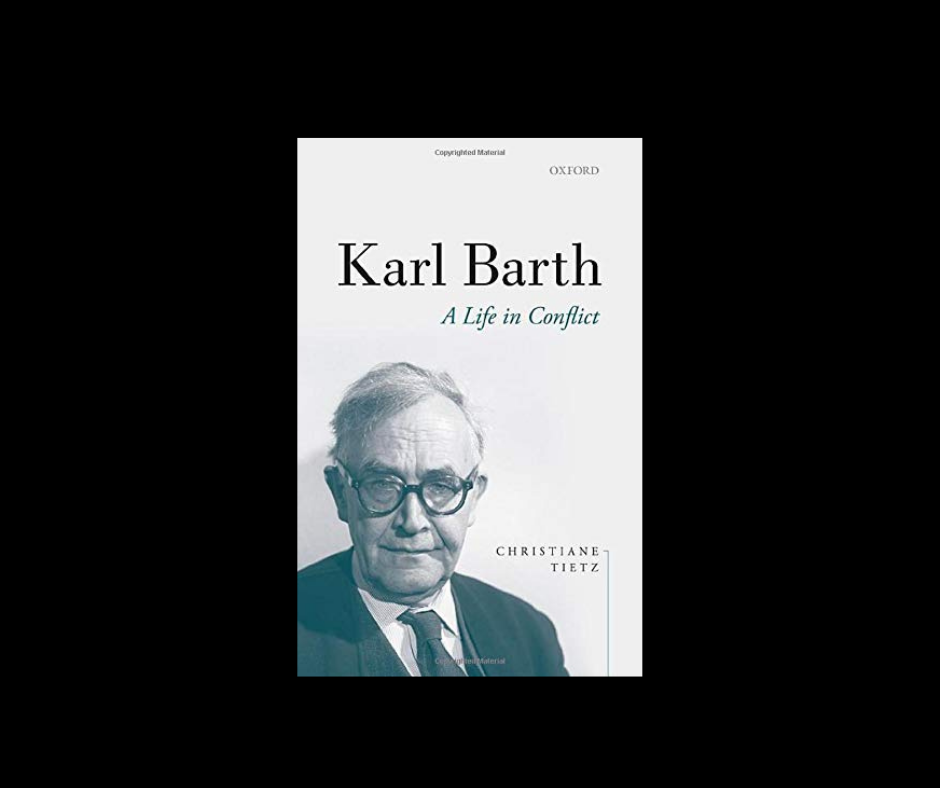
Barth on marriage

Status
Not open for further replies.

Ploutos

Puritan Board Graduate
I am working my way through Marriage: Sex in the Service of God by Christopher Ash. His thesis has three parts, the first of which is that marriage is ontological (built into the creation order) and teleological (containing a purpose). He gives a lot of food for thought, but one thing that stood out was his critique of a de-institutionalized and subjectivized view of marriage as a dynamic process. (Over and against this, he argues that the married life has a strongly prominent element of process, but that we need to view marriage as an institution and status within which this process takes place.) This "personalized" view of marriage takes away the security and stability of the institution.

Along, he critically introduces Barth as a key figure in the development of the view of "the inner relational realities as being the heart of marriage" (72). He provides two quotes from Barth's Christian Dogmatics which I will reproduce here:
Two people may be formally married and fail to live a life which can seriously be regarded as married life. And it may happen that two people are not married and yet in their precarious way live under the law of marriage. A wedding is only the regulative confirmation and legitimation of a marriage before and by society. It does not constitute marriage. (CD III/4:225)
We cannot sufficiently seriously realise that by no means every human striving, coming and being together of two partners in love and marriage automatically implies and indicates that God has joined them together and that permanence and indissolubility attach to their union. It would be wanto to apply that saying of Jesus to every such couple merely because it has actually discovered itself as such and spoken its human Yes before the civil authorities or the priestly altar and perhaps lived long in conjugal fellowship... It may be that [God] has not called a specific couple to marriage, that the divine basis and constitution are lacking from the very outset, that in the judgment of God and according to His will and command, it has never become a married couple and lived as such. In this case the partnership is radically dissoluble because there has been no real union in the judgment of God. (CD III/4:208f)
My reaction to this, as someone who has frequently encountered Barth second-hand but who has not read him directly, is two-fold. First, my reaction to the quoted passages is one of shock and horror. I'm somewhat amazed at how brazenly and clearly unbiblical and subversive these passages are, and how openly and radically these passages provide the basis for a totally subjective and personalized conception not just of marriage but of our relationship with God. Thinking like this provides free and unrestricted license for no-fault divorce, serial monogamy, and any other manner of deviant behaviour, solely on the basis of a subjectivized interior judgment that an action has God's blessing - and one doesn't have to draw convoluted lines of reasoning to get there from his statements. If this is characteristic of Barth's thought, then my already-clouded estimation of him is subject to alteration, and not for the better.

Second, it's always been somewhat of a puzzle to me that Barth's marital infidelity has received so little attention. Maybe it's from ignorance, though it was certainly known to his friends and colleagues during his lifetime. At any rate, it seems difficult to NOT read passages like these in the light of his behaviour, and possibly difficult not to read them even as being expressions of his own longing to be free from a marriage that he found disappointing so that he could licitly pursue his liaison with someone whom he found to be a more "compatible" partner.
 
I am working my way through Marriage: Sex in the Service of God by Christopher Ash. His thesis has three parts, the first of which is that marriage is ontological (built into the creation order) and teleological (containing a purpose). He gives a lot of food for thought, but one thing that stood out was his critique of a de-institutionalized and subjectivized view of marriage as a dynamic process. (Over and against this, he argues that the married life has a strongly prominent element of process, but that we need to view marriage as an institution and status within which this process takes place.) This "personalized" view of marriage takes away the security and stability of the institution.

Along, he critically introduces Barth as a key figure in the development of the view of "the inner relational realities as being the heart of marriage" (72). He provides two quotes from Barth's Christian Dogmatics which I will reproduce here:


My reaction to this, as someone who has frequently encountered Barth second-hand but who has not read him directly, is two-fold. First, my reaction to the quoted passages is one of shock and horror. I'm somewhat amazed at how brazenly and clearly unbiblical and subversive these passages are, and how openly and radically these passages provide the basis for a totally subjective and personalized conception not just of marriage but of our relationship with God. Thinking like this provides free and unrestricted license for no-fault divorce, serial monogamy, and any other manner of deviant behaviour, solely on the basis of a subjectivized interior judgment that an action has God's blessing - and one doesn't have to draw convoluted lines of reasoning to get there from his statements. If this is characteristic of Barth's thought, then my already-clouded estimation of him is subject to alteration, and not for the better.

Second, it's always been somewhat of a puzzle to me that Barth's marital infidelity has received so little attention. Maybe it's from ignorance, though it was certainly known to his friends and colleagues during his lifetime. At any rate, it seems difficult to NOT read passages like these in the light of his behaviour, and possibly difficult not to read them even as being expressions of his own longing to be free from a marriage that he found disappointing so that he could licitly pursue his liaison with someone whom he found to be a more "compatible" partner.
I think your intuition is correct but everything I've read/heard was that he was fine with the situation and didn't want out of the marriage. She probably did but she learned to live with it.
As far as the grand effect this led to, if you're referring to the general cultural decline morally I don't know. But I doubt he had that much of an affect outside the church.
 
I am working my way through Marriage: Sex in the Service of God by Christopher Ash. His thesis has three parts, the first of which is that marriage is ontological (built into the creation order) and teleological (containing a purpose). He gives a lot of food for thought, but one thing that stood out was his critique of a de-institutionalized and subjectivized view of marriage as a dynamic process. (Over and against this, he argues that the married life has a strongly prominent element of process, but that we need to view marriage as an institution and status within which this process takes place.) This "personalized" view of marriage takes away the security and stability of the institution.

Along, he critically introduces Barth as a key figure in the development of the view of "the inner relational realities as being the heart of marriage" (72). He provides two quotes from Barth's Christian Dogmatics which I will reproduce here:


My reaction to this, as someone who has frequently encountered Barth second-hand but who has not read him directly, is two-fold. First, my reaction to the quoted passages is one of shock and horror. I'm somewhat amazed at how brazenly and clearly unbiblical and subversive these passages are, and how openly and radically these passages provide the basis for a totally subjective and personalized conception not just of marriage but of our relationship with God. Thinking like this provides free and unrestricted license for no-fault divorce, serial monogamy, and any other manner of deviant behaviour, solely on the basis of a subjectivized interior judgment that an action has God's blessing - and one doesn't have to draw convoluted lines of reasoning to get there from his statements. If this is characteristic of Barth's thought, then my already-clouded estimation of him is subject to alteration, and not for the better.

Second, it's always been somewhat of a puzzle to me that Barth's marital infidelity has received so little attention. Maybe it's from ignorance, though it was certainly known to his friends and colleagues during his lifetime. At any rate, it seems difficult to NOT read passages like these in the light of his behaviour, and possibly difficult not to read them even as being expressions of his own longing to be free from a marriage that he found disappointing so that he could licitly pursue his liaison with someone whom he found to be a more "compatible" partner.
I don't actually have an issue with the first quote from Barth - I think marriage is essentially defined by sexual union (which is why I believe rape, adultery, incest, etc. are capital offenses in all ages). I believe this comes out in John 4 - I don't think Christ is saying the Samaritan woman was married and divorced 5 times and was on to #6. Calvin and others surmise the latter but I don't see how it fits with the original institution of marriage which was defined as becoming one flesh (sarx) in places like Matthew 19 (where Christ repeats this twice in succession). I agree that a ceremony and civil and/or ecclesiastical recognition is not essential to making a marriage a marriage, but I would also say that these public testimonials are in most every time and place a matter of wisdom to keep order in the Church and society.

The second quote is, I agree, horrendous. And unBiblical and unConfessional.

And, yes, Barth for some reason seems to get a pass for his own licentiousness and adultery - and he shouldn't.
 
Second, it's always been somewhat of a puzzle to me that Barth's marital infidelity has received so little attention. Maybe it's from ignorance, though it was certainly known to his friends and colleagues during his lifetime. At any rate, it seems difficult to NOT read passages like these in the light of his behaviour, and possibly difficult not to read them even as being expressions of his own longing to be free from a marriage that he found disappointing so that he could licitly pursue his liaison with someone whom he found to be a more "compatible" partner.
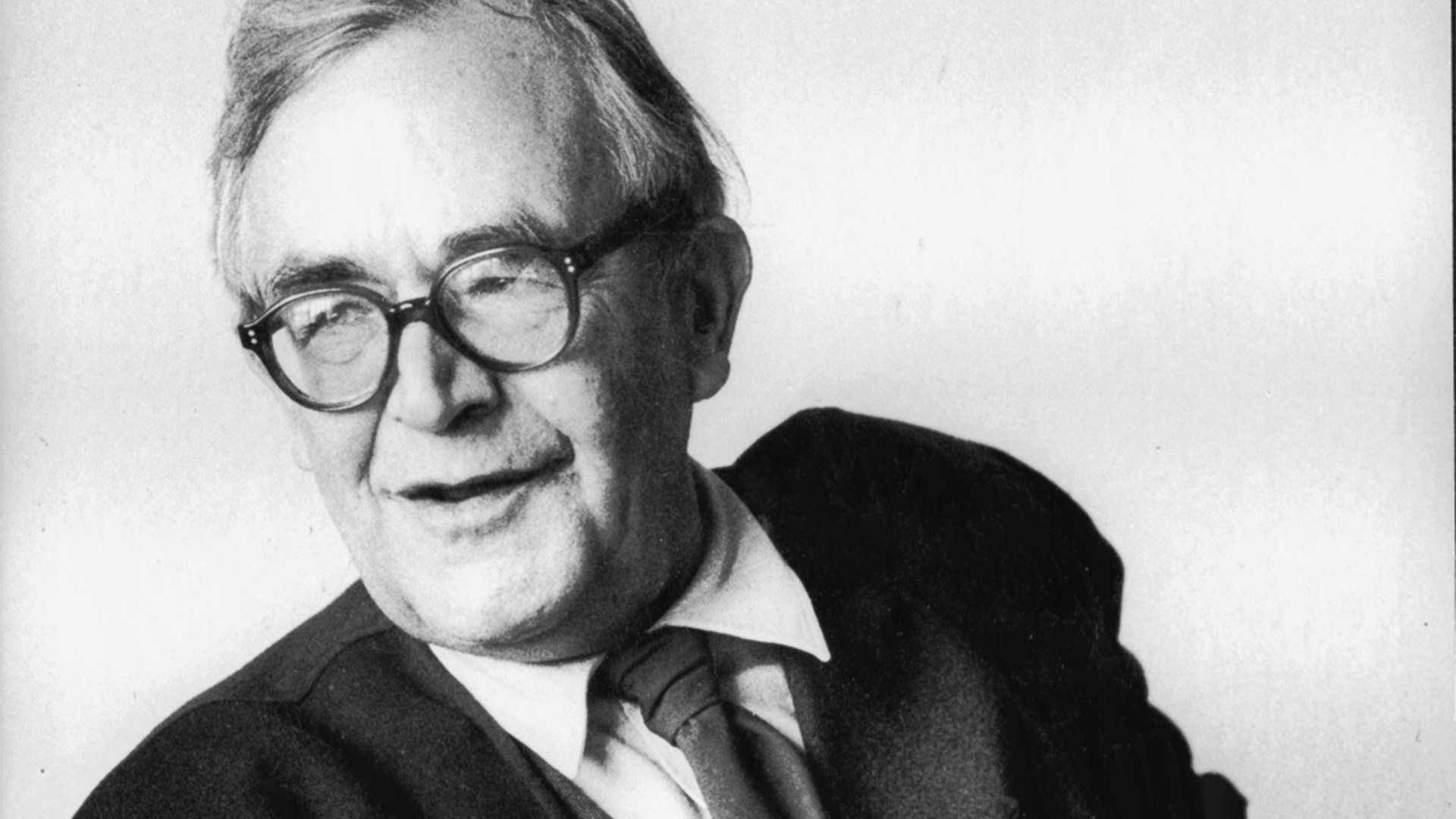
It has been talked about. There are only a few major biographies and until this one, it was more along the lines of "hearsay."
 
I don't actually have an issue with the first quote from Barth - I think marriage is essentially defined by sexual union (which is why I believe rape, adultery, incest, etc. are capital offenses in all ages). I believe this comes out in John 4 - I don't think Christ is saying the Samaritan woman was married and divorced 5 times and was on to #6. Calvin and others surmise the latter but I don't see how it fits with the original institution of marriage which was defined as becoming one flesh (sarx) in places like Matthew 19 (where Christ repeats this twice in succession). I agree that a ceremony and civil and/or ecclesiastical recognition is not essential to making a marriage a marriage, but I would also say that these public testimonials are in most every time and place a matter of wisdom to keep order in the Church and society.

The second quote is, I agree, horrendous. And unBiblical and unConfessional.

And, yes, Barth for some reason seems to get a pass for his own licentiousness and adultery - and he shouldn't.
Ok, interesting view. So you think Jesus in John 4 was referring to the number of partners she had, with the implied premise that by being physically united to them, she had in essence married them?

I think my problem with the first quote is that it still radically divorces the interior/subjective and exterior/objective "realities". A formally married couple with a sterile or loveless marriage is not "failing to live a life which can seriously be regarded as married life" - not in the sense that Barth seems to mean that because of some interior reality, they are not truly "married". I agree with Ash's thesis that marriage is a status. Barth says that a couple in a difficult marriage is not really "married". I say they're married and because of sin they are failing to live up to their status. And likewise, for a couple not "married" yet living under the law of marriage - no. If you're living in union outside of God's prescribed will, that's not marriage - that's sin. The fact that a sexual union may make it a "marriage" does not make it lawful.

I've been re-reading some of the available articles on Barth's affair as it's been a little while; and I think, at least based on the extent of my reading, that he deeply compromised his theological stances in order to defend and accommodate his immoral lifestyle choices. He was confronted about it by family members, friends, and colleagues. His wife and his mistress both testified verbally and through its emotional effect on them of the unhappiness generated by his choice. He said that this affair kept him from being the legalist he might otherwise have been, and told others that they shouldn't judge a situation they didn't understand. At least one article, while not defending Barth's actions, is heavy on criticism of "moralistic" reactions to Barth's infidelity. The idea seems to be the same: a black-and-white insistence on simple faithfulness to Scripture is counted as legalism and moralism, and infidelity and misogyny is glorified in the name of interior realities.

Whatever arrangements he may have been "content" with (and of course it worked well for him - he got to exert his will over both women at little temporal cost to himself), passages such as those quoted by Ash seem tailored to put a favorable spin on all manner of immoral lifestyle choices.


Links to my recent reading. Not surprisingly, I do not agree with everything written in these articles.
 
Ok, interesting view. So you think Jesus in John 4 was referring to the number of partners she had, with the implied premise that by being physically united to them, she had in essence married them?
Brother, I don't want to derail your thread but, yes, I do think this.

A formally married couple with a sterile or loveless marriage is not "failing to live a life which can seriously be regarded as married life" - not in the sense that Barth seems to mean that because of some interior reality, they are not truly "married". I agree with Ash's thesis that marriage is a status. Barth says that a couple in a difficult marriage is not really "married". I say they're married and because of sin they are failing to live up to their status. And likewise, for a couple not "married" yet living under the law of marriage - no. If you're living in union outside of God's prescribed will, that's not marriage - that's sin.
I lean toward towards disagreeing with all of this: "a couple not "married" yet living under the law of marriage - no" doesn't make sense to me - if they are living under the law of marriage what are they if not married? Likewise, "If you're living in union outside of God's prescribed will, that's not marriage - that's sin" leaves me a bit confused - if they are "living in union," again, what are they if not married? Likewise, I'm not sure I understand how "a sexual union may make it a "marriage" does not make it lawful" - how can there be such a thing as an "unlawful marriage"?: "Marriage is honorable among all, and the bed undefiled: but whoremongers and adulterers God will judge." (Hebrews 13.4) Or maybe am I not understanding you?

If you're living in union outside of God's prescribed will, that's not marriage - that's sin. The fact that a sexual union may make it a "marriage" does not make it lawful.
"The fact that a sexual union may make it a "marriage..."" is something I would agree with. The only instance where I could see "living in union outside of God's prescribed will" would be an incestuous "marriage." But, like with rape or adultery, it is a capital offense, so they would not be "living in union."

[By "union" I am assuming you and I are referring to physical/sexual union that Paul refers to when he states: "Do ye not know, that he which coupleth (κολλάω / unites - the same term used in Matthew 19.5) himself with an harlot, is one body? for two, saith he, shall be one flesh." (I Cor.6.16) This seems to be clearly teaching that sexual union = marriage in its most simplest form. Living in union is God's prescribed will - leaving that union is leaving His will. This seems to me to be a matter of common revelation and common grace. Perhaps this is why we have the common law that 2 people leaving and cleaving and uniting for a period of time are married. We ascribe to their relationship the status of marriage because society is recognizing (again, for good reasons - social order being one) that they are already married - the status does make the marriage, just as difficulty in the marriage does not unmake it.]
 
Brother, I don't want to derail your thread but, yes, I do think this.


I lean toward towards disagreeing with all of this: "a couple not "married" yet living under the law of marriage - no" doesn't make sense to me - if they are living under the law of marriage what are they if not married? Likewise, "If you're living in union outside of God's prescribed will, that's not marriage - that's sin" leaves me a bit confused - if they are "living in union," again, what are they if not married? Likewise, I'm not sure I understand how "a sexual union may make it a "marriage" does not make it lawful" - how can there be such a thing as an "unlawful marriage"?: "Marriage is honorable among all, and the bed undefiled: but whoremongers and adulterers God will judge." (Hebrews 13.4) Or maybe am I not understanding you?


"The fact that a sexual union may make it a "marriage..."" is something I would agree with. The only instance where I could see "living in union outside of God's prescribed will" would be an incestuous "marriage." But, like with rape or adultery, it is a capital offense, so they would not be "living in union."

[By "union" I am assuming you and I are referring to physical/sexual union that Paul refers to when he states: "Do ye not know, that he which coupleth (κολλάω / unites - the same term used in Matthew 19.5) himself with an harlot, is one body? for two, saith he, shall be one flesh." (I Cor.6.16) This seems to be clearly teaching that sexual union = marriage in its most simplest form. Living in union is God's prescribed will - leaving that union is leaving His will. This seems to me to be a matter of common revelation and common grace. Perhaps this is why we have the common law that 2 people leaving and cleaving and uniting for a period of time are married. We ascribe to their relationship the status of marriage because society is recognizing (again, for good reasons - social order being one) that they are already married - the status does make the marriage, just as difficulty in the marriage does not unmake it.]
So are fornicators polygamists?
 
So are fornicators polygamists?
I think they would just all be forms of adultery. But does it matter? Paul seems to lump them all together: "Know ye not that the unrighteous shall not inherit the kingdom of God? Be not deceived: neither fornicators, nor idolaters, nor adulterers, nor wantons, nor buggerers... shall inherit the kingdom of God." (I Cor.6.9-10)
 
Moderators - could we split these posts about John 4 off into their own thread?

@Northern Crofter if my post didn't make sense, it's probably because your view is not really one I am familiar with. So in your view, if a man and woman meet for the first time and engage in physical union - what might be called hooking up or having a fling - they are then married?
 
I think they would just all be forms of adultery. But does it matter? Paul seems to lump them all together: "Know ye not that the unrighteous shall not inherit the kingdom of God? Be not deceived: neither fornicators, nor idolaters, nor adulterers, nor wantons, nor buggerers... shall inherit the kingdom of God." (I Cor.6.9-10)
I understand what you mean but, Paul splits them. Both are porneia but, come with different consequences. Also Reading John 4, it seems that Jesus says who she is living with isn't her husband, so if anything sexual is involved (very likely), it doesn't seem to be the case that she is 'married' to that man.
 
So in your view, if a man and woman meet for the first time and engage in physical union - what might be called hooking up or having a fling - they are then married?
That seems to be what I Cor.6.16 is saying, is it not?

...but, come with different consequences.
Aren't all of the sexual offenses Paul lists in that verse capital offenses?

I understand what you mean but, Paul splits them. Both are porneia but, come with different consequences. Also Reading John 4, it seems that Jesus says who she is living with isn't her husband, so if anything sexual is involved (very likely), it doesn't seem to be the case that she is 'married' to that man.
I've always taken His words to mean she was currently in an adulterous affair ("not thine husband" = she was with someone else's husband). Which brings me back to the point that polygamy, etc. are all forms of adultery (violating the institution of marriage). But I could have been completely wrong about this passage all these years - so maybe a separate thread would be appropriate and interesting and I'll leave off discussing it further here.

In any event, marriage is one of many areas we should not be looking to Barth for direction.
 
Moderators - could we split these posts about John 4 off into their own thread?

@Northern Crofter if my post didn't make sense, it's probably because your view is not really one I am familiar with. So in your view, if a man and woman meet for the first time and engage in physical union - what might be called hooking up or having a fling - they are then married?
I'm going to start a thread, because this is an important subject to me as well.
 
@Northern Crofter - then what is fornication? I've always understood adultery to be unfaithfulness while married, while fornication is sexual activity among the unmarried. But in your view, it seems there is no such thing as premarital sex or fornication, because if you are physically united, then you are married.
 
@Northern Crofter - then what is fornication? I've always understood adultery to be unfaithfulness while married, while fornication is sexual activity among the unmarried. But in your view, it seems there is no such thing as premarital sex or fornication, because if you are physically united, then you are married.
I believe the word translated "fornication" in Hebrew is usually זָנָה (zanah) which more likely means "to be a harlot" (but I will gladly defer to someone with better knowledge of Hebrew). The Greek πορνεία (porneia) covers every type of sexual impurity, not all of which consummate a marriage.

If adultery is defined as "unfaithfulness while married" (which I agree with), then it returns me to the position that there are many sins/acts that are different forms of adultery (as in I Cor.6.9-10 which I've quoted from above).

I believe there can be sexual sins committed outside of marriage that would not consummate a marriage, but I also believe the phrase "premarital sex" is a misnomer - if a relationship is consummated, it is a marriage. Again, this seems to be what I Cor.6.16 is saying, is it not? The use of a term "premarital sex" is based on the idea that marriage is a status, which I'm not sure is Biblical. Imagine if the Church began treating those involved in "premarital sex" as married.
 
Fornication, then, would be for an unmarried person to engage with a harlot?

As for treating premarital sex as marital sex, the church may not have done that... But I guess it occurs to me that this could be the thinking of many a shotgun-wielding father?
 
I believe there can be sexual sins committed outside of marriage that would not consummate a marriage, but I also believe the phrase "premarital sex" is a misnomer - if a relationship is consummated, it is a marriage. Again, this seems to be what I Cor.6.16 is saying, is it not?
John Calvin says the following in his commentary on this passage:
16. Know ye not that he that is joined to an harlot He brings out more fully the greatness of the injury that is done to Christ by the man that has intercourse with an harlot; for he becomes one body, and hence he tears away a member from Christ’s body. It is not certain in what sense he accommodates to his design the quotation which he subjoins from Genesis 2:24. For if he quotes it to prove that two persons who commit fornication together become one flesh, he turns it aside from its true meaning to what is quite foreign to it. For Moses speaks there not of a base and prohibited cohabitation of a man and a woman, but of the marriage connection which God blesses. For he shows that that bond is so close and indissoluble, that it surpasses the relationship which subsists between a father and a son, which, assuredly, can have no reference to fornication. This consideration has led me sometimes to think, that this quotation is not brought forward to confirm the immediately preceding statement, but one that is more remote, in this way — “Moses says, that by the marriage connection husband and wife become one flesh, but he that is jointed to the Lord becomes not merely one flesh, but one spirit with him.” And in this way the whole of this passage would tend to magnify the efficacy and dignity of the spiritual marriage which subsists between us and Christ.

If, however, any one does not altogether approve of this exposition, as being rather forced, I shall bring forward another. For as fornication is the corruption of a divine institution, it has some resemblance to it; and what is affirmed respecting the former, may to some extent be applied to the latter; not that it may be honored with the praises due to the former, but for the purpose of expressing the more fully the heinousness of the sin. The expression, therefore, that they two become one flesh, is applicable in the true and proper sense to married persons only; but it is applied to fornicators, who are joined in a polluted and impure fellowship, meaning that contagion passes from the one to the other. For there is no absurdity in saying that fornication bears some resemblance to the sacred connection of marriage, as being a corruption of it, as I have said; but the former has a curse upon it, and the other a blessing. Such is the correspondence between things that are contrasted in an antithesis. At the same time, I would prefer to understand it, in the first instance, of marriage, and then, in an improper sense, of fornication, in this way — “God pronounces husband and wife to be one flesh, in order that neither of them may have connection with another flesh; so that the adulterer and adulteress do, also, become one flesh, and involve themselves in an accursed connection. And certainly this is more simple, and agrees better with the context.
 
I believe there can be sexual sins committed outside of marriage that would not consummate a marriage, but I also believe the phrase "premarital sex" is a misnomer - if a relationship is consummated, it is a marriage. Again, this seems to be what I Cor.6.16 is saying, is it not? The use of a term "premarital sex" is based on the idea that marriage is a status, which I'm not sure is Biblical. Imagine if the Church began treating those involved in "premarital sex" as married.
Come to think of it, Exodus 22:16-17 indicates that after sexual relations, a couple were not automatically "married." The man still had to maker her his wife.

EDIT: Also see this post
 
John Calvin says the following in his commentary on this passage:
Calvin is my favorite commentator (he was once the topic of my dissertation, and my son is named after him) but I find his reasoning to be convoluted here. Calvin is said to have heavily influenced/contributed to the notes in the Geneva Bible, but even that states on this verse: "Moses doth not speak these words of fornication, but of marriage: but seeing that fornication is the corrupting of marriage, and both of them is a carnal and fleshly copulation, we cannot say that the Apostle abuseth his testimony. Again, Moses hath not this word (Two) but it is very well expresseth both here and in Matt. 29:5, because he speaketh only but of man and wife..."

I would also point out how he seems to use "fornication" and "adultery" interchangeably (switch the words in any of the bold statements and it reads the same): "For as fornication is the corruption of a divine institution, it has some resemblance to it; and what is affirmed respecting the former, may to some extent be applied to the latter; not that it may be honored with the praises due to the former, but for the purpose of expressing the more fully the heinousness of the sin. The expression, therefore, that they two become one flesh, is applicable in the true and proper sense to married persons only; but it is applied to fornicators, who are joined in a polluted and impure fellowship, meaning that contagion passes from the one to the other. For there is no absurdity in saying that fornication bears some resemblance to the sacred connection of marriage, as being a corruption of it, as I have said; but the former has a curse upon it, and the other a blessing. Such is the correspondence between things that are contrasted in an antithesis. At the same time, I would prefer to understand it, in the first instance, of marriage, and then, in an improper sense, of fornication, in this way — “God pronounces husband and wife to be one flesh, in order that neither of them may have connection with another flesh; so that the adulterer and adulteress do, also, become one flesh, and involve themselves in an accursed connection."
Come to think of it, Exodus 22:16-17 indicates that after sexual relations, a couple were not automatically "married." The man still had to maker her his wife.
I think this goes back to the discussion above that there are different aspects of marriage, one of which is it being a status. I would take this passage to mean that, if the act that defines marriage occurs, the status should follow. Again, imagine if the Church began treating those involved in "premarital sex" as married - consider the positive impact and clarity it would provide.
 
Fornication, then, would be for an unmarried person to engage with a harlot?

As for treating premarital sex as marital sex, the church may not have done that... But I guess it occurs to me that this could be the thinking of many a shotgun-wielding father?
Don't want to derail the thread but I've actually been to a couple of "shotgun weddings". Never seen a groom so nervous in my life. But morality aside for a second, what does some young kid think is going to happen in a redneck town when you "knock-up" a girl with a dad and a bunch of brothers? I mean c'mon now.
I can understand the motivation of treating premarital sex as marital sex, on moral grounds but we have a long way to go as a society before we ever get to that question. The divorce rate is way too high to have it artificially raised by considering relationships that previously were not viewed as married as married. And common law marriages only happen after years of living together.
On another note, Barth's view of marriage was most definitely tainted by his infidelity. But is that the most important threat of his theology to worry about? I say no, his almost orthodox sounding words that promise to be neither liberal (not true) or fundamentalist (completely useless word I might add) is to me the most dangerous.
I was almost taken into Barth's views as a young man, some 23 years ago, because of that (sort of) but I had a very good pastor who walked me through it. He showed me how he's not right. That's why I support Van Til's critique of him (my pastor at the time didn't like Van Til though) in general. He, following Machen, pointed out that his theology might use the same words but with different meanings thus making it a different religion.
 
I don't think that this is necessarily the most important threat of Barthian theology. But since I'm reading a book about marriage, that's the part of his theology that came up.
 
Also, just a question, why is it that I run across some otherwise orthodox (evangelicals and not Barthians or neo-Orthodox) people who are enamored with Barth?
 
Also, just a question, why is it that I run across some otherwise orthodox (evangelicals and not Barthians or neo-Orthodox) people who are enamored with Barth?
I think many see him as a hero for either rejecting liberal theology or rejecting Hitler/nazism (or both). He challenged both sides of theology (liberal and confessional) so he got double the attention. He had a lot of flash and thus a lot of followers - from the Pope to Time magazine. He made people think after the failure of liberalism (WWI) and the sell-out of many in confessing churches (WWII). Some of his writing is very good (I remember liking a lot of what he wrote about ethics) but a lot is problematic (his Christology and view of God's sovereignty, for example). Plus he's Swiss - they're always cool.
 
I don't think that this is necessarily the most important threat of Barthian theology. But since I'm reading a book about marriage, that's the part of his theology that came up.
I understand and hopefully I didn't come off as being critical. I wasn't trying to do that. Just pointing out the greater dangers he poses. I think this is a great thread that you started about important themes. Love it thus far.
 
I understand and hopefully I didn't come off as being critical. I wasn't trying to do that. Just pointing out the greater dangers he poses. I think this is a great thread that you started about important themes. Love it thus far.
I did not take it as critical in any way. You're good on my end.
I think many see him as a hero for either rejecting liberal theology or rejecting Hitler/nazism (or both). He challenged both sides of theology (liberal and confessional) so he got double the attention. He had a lot of flash and thus a lot of followers - from the Pope to Time magazine. He made people think after the failure of liberalism (WWI) and the sell-out of many in confessing churches (WWII). Some of his writing is very good (I remember liking a lot of what he wrote about ethics) but a lot is problematic (his Christology and view of God's sovereignty, for example). Plus he's Swiss - they're always cool.
Now this is a thought-provoking paragraph. It's not the first time I've heard Barth esteemed for combating liberalism. I guess one issue is that I'm working with a colloquial modern conception of liberalism which is largely synonymous with progressivism. Given Barth's rejection or modification of a number of key orthodox doctrines, and his appropriation by mainline Presbyterianism in America for its project of radical liberalization and apostasy, I tend to think of Barth as being quite liberal. I suppose I need some schooling and what would have constituted that old Harnackian brand of liberalism. Even then, it might take some convincing to show me how substituting one form of heterodoxy with another form is really a good reason for holding Barth in high esteem. I would be interested to hear more about why you liked Barth; what good things he said, and what positive contributions he made to Christ's church, not merely the negative contribution of combating one form of doctrinal deviation with another.
 
Even then, it might take some convincing to show me how substituting one form of heterodoxy with another form is really a good reason for holding Barth in high esteem. I would be interested to hear more about why you liked Barth; what good things he said, and what positive contributions he made to Christ's church, not merely the negative contribution of combating one form of doctrinal deviation with another.
Just to be clear, I don't hold Barth in high esteem - I was surmising why so many did/do. I don't like Barth and I find he is hard to read (not in the sense of someone like Rutherford being hard to read, more like trying to read something from Wilson - always having the feeling they are being purposefully vague at times to avoid being called out for error/heresy). I simply remember some of his writing on ethics positively, but it's been too long ago to recall specifics. And I feel little need to go back because I am currently pretty satisfied with Bavinck...
 
Just to be clear, I don't hold Barth in high esteem - I was surmising why so many did/do. I don't like Barth and I find he is hard to read (not in the sense of someone like Rutherford being hard to read, more like trying to read something from Wilson - always having the feeling they are being purposefully vague at times to avoid being called out for error/heresy). I simply remember some of his writing on ethics positively, but it's been too long ago to recall specifics. And I feel little need to go back because I am currently pretty satisfied with Bavinck...
To what extent do you feel that a pastor or serious theologian needs to know and grapple with Barth? Is it enough to know the basics of his thought and have a sufficiently strong grounding in truth to be able to rebut Barthianism where it rears its head?
 
Evangelicals who are infatuated with Barth haven't read him in any great detail. I read several thousand pages around 2014. He is not a good writer. And while I am not a Van tillian, some of Van Til's lectures on Barth are hilarious.

I can understand someone falling under NT Wright's spell. Wright is a great speaker and writer. The danger is you can actually understand what he is saying. That is not true of Barth.

Why would someone read him? I suppose if you are wanting an overcorrection to the social Trinitarian craze, Barth could be interesting.
 
The bottom line for me with Barth is he was not a genuine Christian, who only professed faith, which was egregiously belied by his ongoing, unrepented of adultery. There are many "theologists" with knowledge without Christ. I can do without their mere knowledge.
 
Status
Not open for further replies.
Back
Top