Ploutos
Puritan Board Graduate
I am working my way through Marriage: Sex in the Service of God by Christopher Ash. His thesis has three parts, the first of which is that marriage is ontological (built into the creation order) and teleological (containing a purpose). He gives a lot of food for thought, but one thing that stood out was his critique of a de-institutionalized and subjectivized view of marriage as a dynamic process. (Over and against this, he argues that the married life has a strongly prominent element of process, but that we need to view marriage as an institution and status within which this process takes place.) This "personalized" view of marriage takes away the security and stability of the institution.
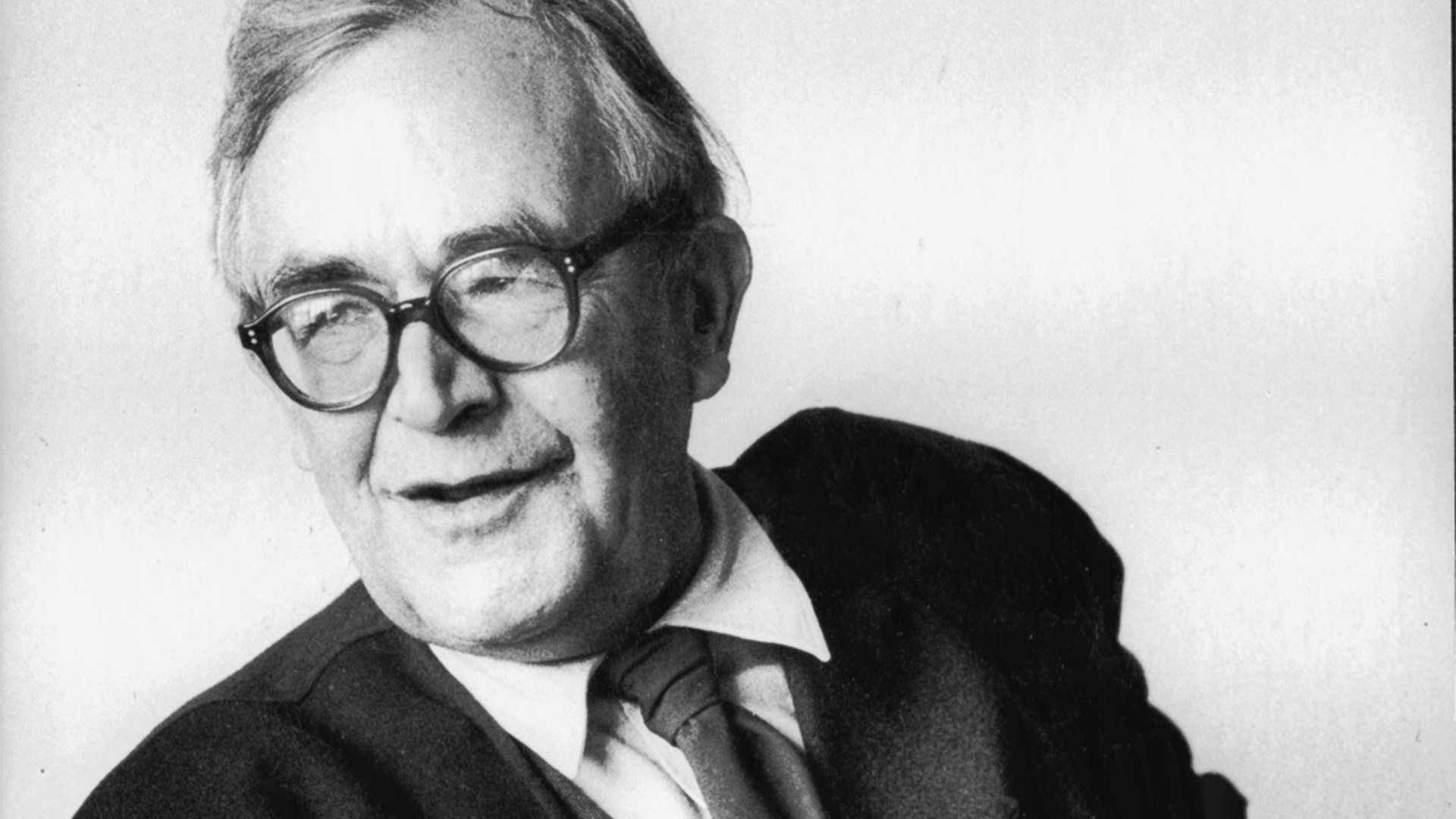
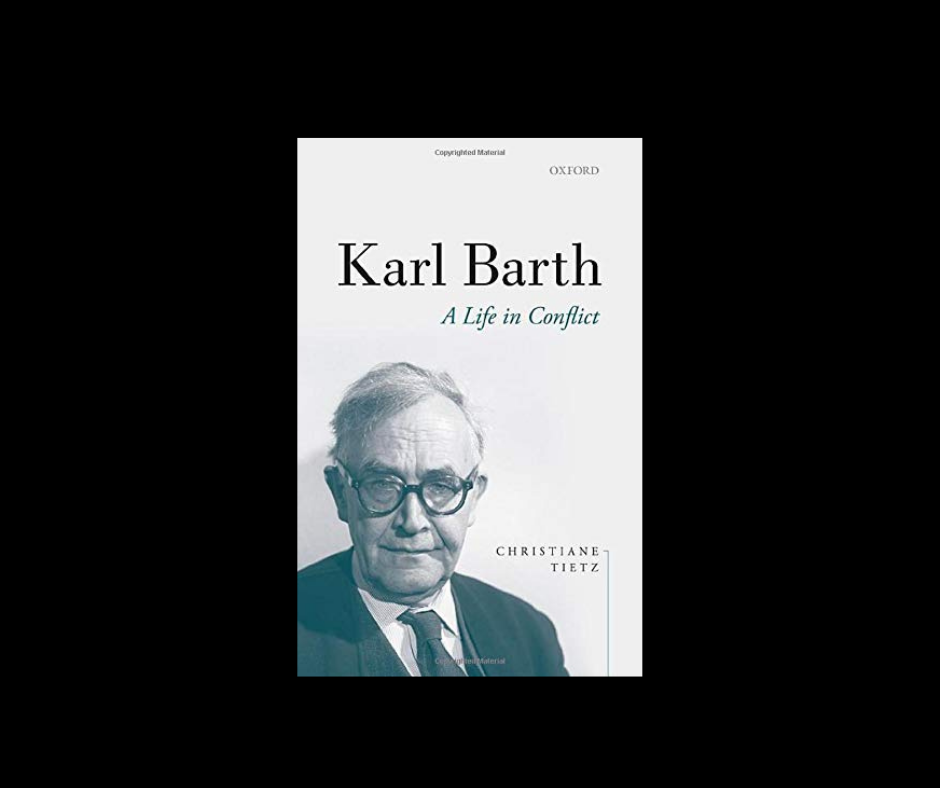
Along, he critically introduces Barth as a key figure in the development of the view of "the inner relational realities as being the heart of marriage" (72). He provides two quotes from Barth's Christian Dogmatics which I will reproduce here:
Second, it's always been somewhat of a puzzle to me that Barth's marital infidelity has received so little attention. Maybe it's from ignorance, though it was certainly known to his friends and colleagues during his lifetime. At any rate, it seems difficult to NOT read passages like these in the light of his behaviour, and possibly difficult not to read them even as being expressions of his own longing to be free from a marriage that he found disappointing so that he could licitly pursue his liaison with someone whom he found to be a more "compatible" partner.
Along, he critically introduces Barth as a key figure in the development of the view of "the inner relational realities as being the heart of marriage" (72). He provides two quotes from Barth's Christian Dogmatics which I will reproduce here:
Two people may be formally married and fail to live a life which can seriously be regarded as married life. And it may happen that two people are not married and yet in their precarious way live under the law of marriage. A wedding is only the regulative confirmation and legitimation of a marriage before and by society. It does not constitute marriage. (CD III/4:225)
My reaction to this, as someone who has frequently encountered Barth second-hand but who has not read him directly, is two-fold. First, my reaction to the quoted passages is one of shock and horror. I'm somewhat amazed at how brazenly and clearly unbiblical and subversive these passages are, and how openly and radically these passages provide the basis for a totally subjective and personalized conception not just of marriage but of our relationship with God. Thinking like this provides free and unrestricted license for no-fault divorce, serial monogamy, and any other manner of deviant behaviour, solely on the basis of a subjectivized interior judgment that an action has God's blessing - and one doesn't have to draw convoluted lines of reasoning to get there from his statements. If this is characteristic of Barth's thought, then my already-clouded estimation of him is subject to alteration, and not for the better.We cannot sufficiently seriously realise that by no means every human striving, coming and being together of two partners in love and marriage automatically implies and indicates that God has joined them together and that permanence and indissolubility attach to their union. It would be wanto to apply that saying of Jesus to every such couple merely because it has actually discovered itself as such and spoken its human Yes before the civil authorities or the priestly altar and perhaps lived long in conjugal fellowship... It may be that [God] has not called a specific couple to marriage, that the divine basis and constitution are lacking from the very outset, that in the judgment of God and according to His will and command, it has never become a married couple and lived as such. In this case the partnership is radically dissoluble because there has been no real union in the judgment of God. (CD III/4:208f)
Second, it's always been somewhat of a puzzle to me that Barth's marital infidelity has received so little attention. Maybe it's from ignorance, though it was certainly known to his friends and colleagues during his lifetime. At any rate, it seems difficult to NOT read passages like these in the light of his behaviour, and possibly difficult not to read them even as being expressions of his own longing to be free from a marriage that he found disappointing so that he could licitly pursue his liaison with someone whom he found to be a more "compatible" partner.